PLANETBROWSER

NOTE

This website is for your information only. All the information that we provided here is the types of information that we received and collected from books, studies and some research from the Internet and we try to collect and share all the best top information . .

Looking for something?

Subscribe to this blog!

Receive the latest posts by email. Just enter your email below if you want to subscribe!

Ipinapakita ang mga post na may etiketa na gadgets. Ipakita ang lahat ng mga post

The Selfie XPeria That’s what the Sony Xperia C3 claims to be

1
With the Xperia C3, Sony is taking a dab in the selfie trend and showing off its fine design sense once again. The selfie camera, which until sometime ago used to be just a front camera, is redefining the role of cameras in a smartphone. The Xperia C3 has a 5.0-megapixel front camera, which by conventional standards is high but definitely not rare – the Micromax Canvas Nitro has 5.0megapixel front camera while the Gionee Elife E7 boasts of an 8.0-megapixel front camera. Certainly, it is not a ground breaking accomplishment but it is what Sony has done with it that makes the C3 special.


Classy looks, easy to handle 
With the Xperia C3, Sony has shown that not all its classy looking devices have to belong to the Z series. Even a mid-range smartphone like C3 can be knock out. A slim build, sleek form factor, matte finish, eye popping colours and a shiny metal strip running across the entire side panel, which curls at the corners for user’s comfort, enhance the device’s aura.  It is relatively lightweight and is good to handle. The buttons have been placed in such a way as to assist in onehanded use.  The keys are placed on the lower side of the side panel, a rarity, to make them accessible. The side panel also features a micro SD slot and the SIM card tray – interestingly,   the phone restarts if the SIM card tray is taken out. For a handset with screen size of 5.5-inches, the Xperia C3  is compact and handy. Since it’s a unibody device, the back panel is closed and the battery cannot be taken out. Memory card and SIM card slots are placed on the side panel, and covered with typical Sony rubber flap. The back panel carries an 8.0-megapixel camera with flash, a wide speaker and the Sony Xperia imprint.

 KitKat phone with Sony effect
The phone comes with Android KitKat version 4.4.2 out of the box and has the typical Sony Xperia interface that Sony uses in all its smartphones. The UI is simple and easy to follow even though it is very distinct from a stock Android UI. Being a Sony device, it has a number of Sony created apps like Smart Connect, Wisepilot- a traffic and driving assistant, Walkman music app, Sony Select app store, Social Life- a  news aggregator site like Newsstand, Sony LIV, and Xperia Lounge-a multimedia app for sports, music and film based content. Overall, the phone offers an immense amount of multimedia content to keep one thoroughly occupied.

Power of two cameras
The Xperia C3 is powered by a 1.2 GHz  quad-core Snapdragon 400 processor, has 1GB RAM, 8GB internal memory, upto 32GB expandable memory and a 2,500mAh Li-ion battery. The internal memory struck us as being a bit low, but in terms of cameras, this is a well equipped device. The rear one is  of 8.0-megapixels and boasts of touch to focus, object tracking, face/smile detection, LED flash, panorama mode and can record full HD videos. The front camera, however, the surprise here, as it comes with a 5.0-megapixel count as well as, surprise, surprise, a flash. Speaking of cameras, Sony has included a dedicated camera button  on the device, which is always welcome. The phone has a wide 5.5-inch IPS LCD display  with 1280 x 720 screen resolution and 267  ppi pixel density, which is respectable but a  bit low when one considers that the likes  of the Gionee Elife E5.5 and Micromax Canvas Knight come with full HD displays at lower prices.

Smooth performance,  impressive cameras
In performance, the Xperia C3 delivers a good performance, particularly when it comes to the front facing camera. It can handle pretty much everything we threw at it, from games, to HD movies without any signs of lag. The rear camera can be really good in a properly lit environment, produces accurate colours and can record decent looking videos. In low light it appeared beaten and dull. The front camera is good and is going to impress the selfie enthusiasts a lot. It comes with handy features like self-timer, smile shutter, image preview and burst mode. The speaker is wide and gives decent output, although it loses its intensity when placed on a surface. The battery backup is decent and we got through a day on a single charge with moderate use.

 Conclusion
The Sony Xperia C3 is a great camera phone with not just a good rear camera but also a good front camera. If a camera is high on your priority list, it is certainly worth checking out, as it is quite good looking, works fluently and has plenty of multimedia features. Its alternative could be the Gionee Elife E7, which offers a full HD display, Snapdragon 800 quad-core processor, 2GB RAM, 32GB internal memory, and a 16-megapixel camera as well as a 8.0-megapixel front facing camera

Read More »

Bigger and Better? The new Moto G has a lot to live up to

0
For many people, the original Moto G was the device that actually started the trend of devices that delivered excellent performance without costing the earth. Does its successor do the same?

MotoroLa Moto g (2nd gen)
teCh SpeCS
size | 141.5x70.7x10.99 mm
Weight | 149 grams
Memory | 16GB, microsD
os | android os v4.4
screen size | 5.0-inch, capacitive
Battery |  li-Ion 2,070 mah
Talktime/standby | -/
Gprs/3G/BT/Wifi | yes/yes/yes/yes
camera | 8.0-megapixel
others | Dual sIM, Gorilla Glass 3, Motorola Migrate
Looking very...usual

The first thing that might strike you about the Moto G (2nd Gen) is well, the fact that it does not seem too extraordinary in terms of appearance. Unlike the original Moto G, the new one is not exactly compact. And that is because the display of the device is bigger and adheres to the current trend of big displays - while its predecessor sported a 4.5 inch display, the new Moto G has a 5.0-inch one. It also looks discernibly bigger  - while the original Moto G was 129.9 mm long, the new one is 141.5 mm, and while the original was 65.9 mm wide, the new one is 70.7 mm. Yes, at around 11 mm, the new Moto G is marginally thinner than its 11.6 mm thick predecessor, but there is no getting away from the fact that this is a large-ish phone, even though Motorola is to be commended at keeping the weight down to 149 grammes, a mere 6 grammes more than the original Moto G. In terms of appearance, the phone seems a bit more run of the mill, to be brutally honest. The display is flanked by twin speakers, which juts out a bit, and the volume rocker and power/ display buttons are on the right of the device, the micro USB port at the base, and the 3.5 mm audio jack bang on top. The back is smooth plastic (we got the white model) in which is lodged an 8.0-megapixel camera with single LED flash. There is also a front-facing 2.0-megapixel camera. We would not call this as compact and as palm-friendly as the oroiginal Moto G, but the Moto G (2nd Gen) does feel reassuringly solid to hold.

getting a spec boost 
The second generation Moto G comes with slightly better specs than its predecessor, but just how much the spec bump up matters to you depends on what you value. The display has got bigger, but has the same resolution (1280 x 720) as the first Moto G. Honestly, we still think it is a very high-class display with good viewing angles, but there is a drop in pixel density (from an iPhone 5S-like 326 ppi to 294 ppi). Similarly, the processor and RAM combination remains the same - a 1.2 GHz Qualcomm Snapdragon 400 affair and 1GB. Connectivity options also remain more or less similar - 3G, Dual SIM, Wi-Fi, Bluetooth, and GPS. The most discernible change, apart from the display size is in cameras - the new Moto G sports a 8.0-megapixel camera at the back and a 2.0-megapixel camera in front. One of the main complaints about the original Moto G has also been addressed - although like its predecessor, the new Moto G comes with storage of 8GB and 16GB, you can now expand it using a memory card. There are also twin speakers now, instead of just one, in front (one of the reasons why the phone seems longer). And of course, when it comes to software, you still get the latest version of Android - KitKat.

Still a brilliant performer
When we had reviewed the original Moto G, we had come away impressed with its buttery smooth performance, and well, that is one aspect of the device that has not changed a bit. The Moto G (2nd Gen) is every bit as brilliant a performer as the first. What’s more, it brings considerable improvements in the two departments where the first was seen to lag - the camera and the sound. The 8.0-megapixel camera is not really the best at this price point (we think it is bettered significantly the slightly more expensive Xiaomi Mi3 and is matched by the lower priced Asus ZenFone 5), but is a significant step forward from the rather routine 5.0megapixel affair on the original. And yes, sound on those front-facing twin speakers is very good indeed. That apart, the large display is great for viewing videos and Web pages, and well, although some devices at this price point might
come with 2GB RAM, as compared to the 1GB on the new Moto G, the latter more than holds its own when it comes to handling high-definition games and hefty content. The fact that it runs plain Android makes it a very smooth performer indeed.

Conclusion:
worthy successor? And yes, the price of the Moto G remains unchanged - it comes at Rs 12,999 for the 16GB model. However, what has changed is the market. When the original Moto G was released at this price earlier this year in India, there had been gasps of surprise. However, the period since has seen users being flooded with devices that come with good hardware at relatively low prices. So while the original Moto G had mainly to contend with the likes of the Lumia 525 and 630, the new one faces a very formidable challenge - most notably from the trio of the Asus ZenFone 5,  also has an 8.0-megapixel camera and 5.0-inch display and is powered by a 64-bit Intel processor; the Micromax Canvas Nitro, has a 5.0-inch display, a 13.0-megapixel camera and is powered by an octa core processor; and most notably, the difficult to find Xiaomi Mi 3, which costs slightly more but packs in a full HD display, a quad core Snapdragon 800 processor and a 13.0-megapixel camera. The original Moto G was in a league of its own, the new one has competition. But yes, if you are looking for a solid performing smartphone in the subcategory, the Moto G (2nd generation) is definitely one of the prime options


Read More »

THe n1 Oppo tries to bottle the N1 magic in a smaller package

1
While most of the Chinese brands in the country have been fighting on price, Oppo has been treading a distinctly different path, focusing instead on high-end features, often accompanied by a relatively high price tag. The N1 Mini is another example of this approach. But does it offer enough bang for the price it charges?


oppo n1 mini
Tech Specs

size | 148.4 x 72.2 x 9.2 mm

Weight | 150 grams

memory | 16GB, microsD

Os | android Os v4.3

screen size | 5.0-inch, capacitive

Battery | li-Ion 2,140 mah

Talktime/standby | -/

Gprs/3G/BT/Wifi | yes/yes/yes/yes

camera | 13.0-megapixel

Others | color Os 1.4, rotating camera
Looks stylish...again
Oppo has been forging a reputation for itself as a manufacturer of phones that have a premium look and feel. The N1 was a prime example of this - some found it to be a bit large and bulky, but we loved its solid feel and the use of premium materials. The N1 Mini, as its name indicates, is a smaller version of the flagship. The ‘smaller’ however is only in comparative terms, for seen on its own, the N1 Mini is hardly a small phone. It is almost half a foot long and tips the scales at a very healthy 150 grammes. The front is dominated by a 5.0-inch display (the N1 had a 5.9 inch one, remember?), and unlike most of the other devices in the market, the upper and lower parts of the device are slightly curved in a convex shape, making it stand out from the routine rectangular shapes we see in other phones. But what is really likely to mark it out as different is the rotating camera on top of the display, which can turn on its hinge to act as both a front facing as well as a rear camera, depending on your inclination. There are three touch buttons beneath the display for Menu, Back and Home. In a slightly unusual arrangement, the left side of the phone houses the power/display key, while the right has the volume rocker, which takes some getting used to. The top is bare, while the base houses the micro USB slot and the 3.5 mm audio jack. The SIM card tray is right next to the volume rocker. The back is plain and made of smooth plastic, and there are metal accents on the side and on the rotating camera. All in all, the phone once again feels a bit large to hold, but has a good feel to it, once one gets used to the power and volume key arrangement. It hardly looks like a ‘mini’ edition, though.

Innovative camera, but routine hardware 
The most striking feature of the N1 Mini is without doubt the 13.0-megapixel rotating camera, which as in the N1, turns in a very good performance, in terms of colour and detail. However, the other specifications of the device are more routine than exceptional. The 5.0-inch display looks good in terms of brightness and colour but is actually a 720p one, and powering the device is a Qualcomm Snapdragon 400 processor, backed up by 2GB RAM. Memory stands at 16GB and is non-expandable. Connectivity options include 3G, Wi-Fi, Bluetooth and GPS, and also with the device is the remote that lets you click selfies from a distance. The phone runs an older version of Android (4.3), although you would be hardpressed to spot it as it runs below Oppo’s own ColorOS skin. In terms of performance, the N1 Mini walks the middle path. It is not going to set benchmarks on fire but handled most games and high-end applications without much trouble. The camera is the highlight of the device, taking some very sharp images and shooting decent video. We would have preferred better sound quality though, both in general and on call (something we experienced on the N1 too). The remote is a handy addition for those who like to control the camera from a distance, but honestly, we think it becomes another thing to carry, and therefore, to lose - we are not too convinced by the value it delivers.

Conclusion 
it is a solid performer with a very innovative camera, but all said and done, one cannot help but feel that  the Oppo N1 Mini is a bit of an expensive proposition, especially in a market that is getting used to devices that offer high-end specs at relatively lower prices. There will be people who will point out that the Nexus 5 comes with a better processor, albeit with an inferior camera, at a slightly higher price, while another Chinese manufacturer, Gionee, offers its flagship Elife E7 at an almost similar price with a superior 16.0-megapixel camera and far superior hardware (Qualcomm Snapdragon 800 processor). Gionee in fact also offers the Elife E7 Mini, with a twist around camera similar to that seen on the N1 Mini, and with an octa core processor  And then there is the Lumia 830 which sports a PureView camera and a very solid finish and costs only slightly more. All of which makes the Oppo N1 Mini seem a slightly overpriced proposition. It is a good device, yes, and we love the build and the camera especially, but honestly, for that kind of price, we expected a lot more.
Read More »

The new Moto X: Great specs, great performance

1
It is bigger and packs in some of the most powerful hardware seen in a Motorola device, but does the new Moto X retain the magic that made the original stand out from the crowd?


Motorola moto X
(2Nd GeN) teCh speCs
Size | 140.8x72.4x9.97 mm
Weight | 144 grams
Memory | 16GB, microSD
OS | Android OS v4.4
Screen Size | 5.2-inch, Capacitive
Battery | Li-Ion 2,300 mAh
Talktime/Standby | Up to 24 hours/
GPRS/3G/BT/WiFi | Yes/Yes/Yes/Yes
Camera | 13.0-megapixel
Others | AMOLED display, Corning Gorilla Glass 3
Looks awesome...at the back Motorola had stunned the world when it had released the original Moto X in 2013. At a time when most manufacturers were going for phones with larger displays and high-end technical specifications, the original Moto X stuck to a  4.7-inch display and was powered by a dual core processor. And it still churned out a brilliant performance and won rave reviews for its compact design. The Moto X (2nd Gen) however, treads the path set by others. In fact, many who saw it from the front even thought it was a Samsung - the plethora of sensors around the 5.0-inch display flanked by the metal speakers reminding them of some of the devices in the Galaxy series. Turn the device around, however, and the Moto magic kicks in. We got the wooden edition of the phone and it certainly was a head turner, with the 13.0megapixel camera with a ringed dual LED flash and a metallic Motorola logo on the upper side. Speaking of metal, the sides of the device are all metal, giving it a very solid feel, with the volume rocker and display/power button on the right, the 3.5 mm audio jack and SIM card slot on top and the micro USB port at the base. The left side is totally bare. Yes, the phone is significantly larger than the original Moto X, a fact that can be put down to its 5.2-inch display, but it still feels comfortable to hold for its size. That said, at 140.8 mm length and 72.4 mm width, it is hardly a compact device. In fact, it seemed almost the same size as the Galaxy S5, which is marginally longer and wider, but which is much thinner at 8.1 mm, as compared to the slightly thicker Moto X (2nd Gen), which is 10 mm in that department. That wooden back and metallic logo will, however, turn heads we assure you!

Great specs, great performance
The Moto X (2nd Gen.) comes with specs right out of the Android flagship department. The 5.2-inch display is AMOLED and like its predecessor, is brilliant and bright. Unlike its predecessor, it is also a full HD one. And there is no dual core processor this time - the
Moto X (2nd Gen) is powered by a 2.5 GHz quad core Qualcomm Snapdragon 801 processor, similar to the one seen in most Android flagships in the market. This is backed up by 2GB RAM, and storage that stands at 16GB or 32GB, depending on your version. As in the original, you cannot expand it. The camera has been bumped up to 13.0-megapixels and now comes with a dual LED flash, while the front facing camera remains a 2.0-megapixel affair. Connectivity options include 3G, Wi-Fi, GPS, NFC and Bluetooth. And the Moto X delivers a performance worthy of its specs as well. As in the case of the original, it comes with plain, uncluttered Android and we found playing games and browsing the Web an utter delight. Sound quality was excellent from the dual speakers, and while camera performance was a notch above that seen in the original Moto X, we would not call this a great camera phone yet - do remember to check your pictures on a proper display as the AMOLED one on the Moto X tends to saturate colours. Battery life was not exceptional but was more than decent - the phone easily saw off a day of hefty use.

Conclusion 
Yes, it has much better hardware than its predecessor, and it still looks wonderful, but the new Moto X is a step away from the philosophy of the original which revolved around a relatively smaller form factor and a stress on experience rather than hardware. And while there is no doubting the hardware muscle and performance of the new Moto X, it does face some stiff competition at its price tag Perhaps the most significant comes from the just-released Lenovo Vibe Z2 Pro,  but comes with a larger 6.0-inch quad HD display and a 16.0-megapixel camera, and 3GB RAM even though it too is powered by a Snapdragon 801 processor. There is also the little matter of the Nexus 5 and for many remains the Holy Grail of Android with its 4.95-inch full HD display backed by a quad core processor, and well, looming above just about every high-end device is the Xiaomi Mi 3, which comes with a 5.0-inch full HD display, a quad core processor and a 13.0-megapixel camera,  The new Moto X is a fantastic phone, no doubt, but it is not as unique as its predecessor, and that is where its biggest challenge lies. If you
Read More »

PHOTOGRAPHY:LIGHT TRAILS colourful and creative effect

0
Light trails are a colourful and creative effect      that photographers can capture by employing long-exposure shooting on their camera. The basic principle of light trail creation is that by manually dropping a camera’s shutter speed to a very low level, light is captured by the sensor over an artificially long period of time, with every passing vehicle having its lights tracked and recorded over the visible distance of the road. To take a shot like this one, find a roadside vantage point in which no other moving objects are visible other than the passing vehicles. Second, mount the camera on a tripod, as stability is key while shooting long-exposure imagery. This is because if there is any camera shake while the unit’s shutter is open, then the captured light will lose its direction and smudge across the entire image. Next select the shutter priority setting on the DSLR camera and drop the shutter speed to the desired level – for shots like these, this means at least a 30-second exposure. Finally, automatically focus on the scene’s background and use an external remote to take the picture. Interestingly, the very same process is also used in light painting, a technique where the streaked light is controlled by the photographer manually, using light-emitting diodes (LEDs) to draw custom streaks across a dark backdrop and thereby essentially ‘painting’ in light.

Read More »

CAMERA LENSES:Tilt and shift lens and The toy town effect

0
There area wide variety of photography lenses out

 there that are designed for specific genres,such as macro lenses for close-ups,wide-angle lenses for landscapes and telephoto lenses for wildlife.Tilt and shift lenses,however,are considered pretty specialist and for good reason.These lenses are commonly used by professional photographers who want to eliminate the possibility of optical distortions when photo graphing architecture or even landscapes. Unlike standard lenses,tilt and shift lense scan be physically manipulated in order to adjust the plane of focus and perspective within an image.Tilt and shift are also two separate adjustments, both of which can affect a photo in different ways. Tilting the lens left,right,up or down changes the angle of the lens relative to the camera body,which gives you more control over depth of field,so you’re able to determine how much of the image appears in focus.Tilting is often used by pros to put the entire scene in focus, from front to back,or to create the popular miniature photo effect, which essentially makes depth of field much more shallow. On the other hand,shifting the lens up,down or from side to side enables you to include objects with in the photo currently outside the field of view,without having to tilt or move the camera body itself. This means you can photograph tall structures from the ground in their entire  by shifting the lens upward so that the top of the structure comes into view.This also prevents optical distortions such as converging verticals,wherea building appears to lean backward due to vertical lines leaning in


The toy town effect
A popular tilt and shift lens effect is turning a standard scene into a miniature toy town. This effect is possible thanks to the lens’s ability to tilt the plane of focus, meaning you can control the depth of field. By pointing the camera down and tilting the lens up, the focal planes in front and behind the subject you want to appear sharp, are thrown out of focus. The blurred areas now replicate a very shallow depth of fi eld you would only otherwise see in close-up macro photography, hence why the scene appears much smaller than it actually is. 

Using the shift effect can help you fit much more in a frame
Converging verticals When photographing a structure using a standard lens you have to point the camera upward to include the top and bottom of the building. This will distort the perspective result in converging verticals.

Standard lenses To avoid this with a standard lens, you would need to keep the camera level and shoot face-on to the structure. But shooting tall buildings from the ground means it would be impossible to capture the entire structure within your shot. 

Tilt and shift effect A tilt and shift lens enables you to keep the camera face-on to your subject and use a vertical shift movement to capture the entire structure without distortions. As the lens has a larger image circle, it’s possible to incorporate more within the frame.

Read More »

HTC DESIRE EYE AND SAMSUNG GALAXY NOTE EDGE

0

HTC DESIRE EYE
Pure Selfie Magic
After making waves with the front facing camera on its Desire 816, HTC has decided to add a new dimension to the selfie world with its Desire Eye smartphone. It is made of high quality plastic and comes with a 5.2-inch full HD display and is powered by a Qualcomm Snapdragon 801 processor, backed up by 2GB RAM and 8GB of storage. It runs on Android 4.4.2 (KitKat) and has a 2,400 mAh battery. Yes, we left the best for last – it comes with dual 13.0-megapixel cameras. Even the front-facing camera is a 13.0-megapixel one, making it one of the most powerful front facing cameras in the world at the moment. The device is expected to arrive in the market at a price in the vicinity of Rs 35,000. We can see selfie lovers lining up for it. Rumour is also rife that HTC plans to launch a whole range of devices with powerful front-facing cameras bearing the ‘Eye’ suffix, but that is another story altogether, for another time and issue n


SAMSUNG GALAXY NOTE EDGE
Adding An Edge to the Note

Samsung might have released the Galaxy Note 4 recently, but it is the upcoming Galaxy Note Edge that has phablet lovers buzzing. And that is because the device comes with a 5.6-inch curved Quad HD display that is quite unlike anything seen in the market for a while, displaying notifications and information not just on the main screen but also on the edge (hence the name). Of course, the hardware remains cutting edge (pun intended): the Edge comes with a super AMOLED display with 524 ppi pixel density and runs on Android 4.4.4 KitKat. It is powered by a 2.7 GHz quadcore Qualcomm Snapdragon 805 processor and comes with 3GB RAM, 32GB of internal storage (expandable by a microSD card), a 16.0-megapixel rear camera, a 3.0-megapixel front facing camera and a 3,000mAh battery. This being part of the iconic Note series, it is also accompanied by a S-Pen stylus.

Read More »

LG B3 Beat is highly much identical

0

The product cycle for companies is realizable these days. Launch a flagship device and later follow happening subsequent to than than smaller and a cheaper device but join some of the features from the flagship. Samsung, Sony have been dogfight this for quite a even though and now LG is furthermore the act subsequent to the G3 Beat. The G3 Beat is highly much identical in design once the G3 and we wouldnt be amazed if youd calamity the G3 Beat for its more powerful sibling. The G3 Beat is slightly smaller than the G3, but features a same colour finish, a second mic and infrared at the severity; microUSB harbor, 3.5mm headphone jack and primary mic at the bottom side. The camera, volume and triumph buttons are at the announcement and frankly, these are the without help common hardware features in the middle of the G3 and the G3 Beat. It has a 5-inch display supporting a firm of 1280x720 pixels reaching a pixel density of 294ppi. Considering the indigenous G3 having a QHD display, we would have loved a Full HD display approaching the G3 Beat but unqualified be told, 720p screen is not bad either. The screen is stomach-throbbing surrounded by than omnipotent colours and a decent viewing angle. The phone runs LGs heavily customised UI going concerning for peak of Android 4.4.2 and the phone performs ample skillfully considering its Snapdragon 400 1.2GHz quad-core processor and 1GB RAM knocked out the hood. Understandably, the phone isnt as sudden as the G3, but it can handle most games and  apps even though it takes couple of seconds to load for a large game. The G3 Beat has a 2540mAh battery and following abstemious use, the phone runs for nearly 12-13 hours, passable to go just approximately then mention to a regular pretense hours of daylight. Another advantage of the G3 Beat is that it supports Indian 4G LTE bands, which is a beautiful earsplitting have an effect on re LGs share to not save the technology exclusive to flagship devices. LG has as well as packed in some UX elements from the G3 to the G3 Beat. For instance, the phone has the same Knock Code feature that can unlock the device, Smart Keyboard that offers competently-behaved word confession and laser autofocus system. The camera interface takes a second to begin roughly the phone, but focuses in direct of fact fast, thanks to the laser autofocus system. The interface is within make a get of to use gone minimal customisations ranging from turning upon HDR upon/off, shoot panoramic images, slant flash upon/off, regulate the colossal. As far and wide afield as atmosphere goes, we found the 8 megapixel sensor a bit underwhelming. The camera takes satisfying pictures in smart day but washes the colour in indoor or low-light scenarios. The stomach-facing snapper is 1.3 megapixels. The G3 Beat comes behind 8GB internal memory, giving nearly half of the permanent memory to the adherent for apps and multimedia content. It moreover features a microSD card slot that supports build taking place to happening to 64GB. G3 Beat is a mini description of the LG G3 and caters to the crowd who tormented a premium looking handset at a fraction of the price. To make it cheaper, companies have to create some compromises and in the feat of G3 Beat, the compromise is upon the camera stomach. If thats something you can alive plus than
Read More »

Highest Smartphone Penetration Countries

0
10 Denmark 59% of population owns a smartphone


09 UK 62.2% of population owns a smartphone
08 Hong Kong 62.8% of population owns a smartphone

07 Sweden 63% of population owns a smartphone

06 Australia 64.6% of population owns a smartphone

05 Norway 67.5% of population owns a smartphone
04 Singapore 71.7% of population owns a smartphone

03Saudi arabia 72.8% of population owns a smartphone

02 South Korea 73% of population owns a smartphone

01 United arab emirates 73.8% of population owns a smartphone
Read More »

USB 3.1 10Gbit/s:The New Standard

0
USB 3.1 has been in the works for a substantial amount
 of time and now the newest standard is finally ready. While the version does not differ by much, the new USB standard brings forth the biggest change for its kind since its introduction 17 years ago, with the latest innovation being the type C plugs can no longer be inserted wrongly as they are now finally symmetrical. However, the connections to the devices has to be changed. This means that USB 3.1 plugs can only fit into USB 3.0 ports in one direction only. The new standard also gets a speed upgrade as it can achieve up to 10Gbit/s or 1GByte/s transfer rate which is twice that of USB 3.0. As a result of this, an entire HD film can now be transferred to an external SSD in under four to five seconds. Additionally, the new connection delivers a higher power output of up to 100 watt whereas USB 3.0 can only achievable a maximum of 4.5 watts by default. In the future, external devices such as smartphones and tablets can be charged much faster and external hard drives can consume more power.  Since the specification of the new standard has already been passed officially, manufacturers has already began production for the corresponding products and we can expect the new external hard drives and mainboards to arrive in the near future.  
Read More »

Small but powerful Xperia Z3 Compact

0
There seems to be an growth in display size back all flagship smartphone coming in the way of physical. However, theres a considerable demand for phones having a display knocked out 5-inches. Sony seems to realise it, which is why theyve come going on considering a more powerful Xperia Z3 Compact, months after they released the Z1 Compact. Unlike the mini variants from the competition, Sonys compact phones are powerful as the flagship device but when a smaller display size. Speaking of display, the Z3 Compact features a 4.6-inch 1280x720 pixel display, which may vibes a few pixels less subsequent to how the smartphones are going Full HD but the IPS display is passable to make text and images see brilliant. The display offers enjoyable viewing angles and brightness as adeptly. This device hails from the Z3 relatives and its approachable that Sony has hardly distorted the design of the Xperia Z3 Compact from the Xperia Z3. The phone is covered moreover than tempered glass taking place for both the sides once rounded corners as regards every one the sides to keep busy impacts in onslaught of a drop. Adding to the phones durability is Ingress Protection (IP) adoration and is acclaimed following IP65/68 rating for guidance to the fore to water (1.5m deep for taking place to 30 minutes) and dust (provided every one of ports and covers are tightly unquestionable). Overall, the design has undergone a subtle every atypical from the Z2/Z1 Compact but later again, why fine-character it if the current design is well-liked by the users?

The Xperia Z3 Compact sports Qualcomms Snapdragon 801 2.5GHz quad-core processor, which is the same as Xperia Z3 and 2GB RAM. Needless to say, the phone blazes through regular usage and even does a commendable job during giving out and graphic intensive tasks. The battery upon the Xperia Z3 Compact is non-removable 2600mAh and manages to accede roughly 16 hours of run period upon a regular workday as soon as calls, internet surfing, music and few minutes of videos. The phone runs Android 4.4.4, the invincible business roughly Sonys addict interface is that it is oppressive to total Android. The customisations dont feel obtrusive, unlike some of the new skins implemented by appendage Android manufacturers.


The Xperia Z3 Compact is equipped considering 1.2/3 Exmor RS sensor that is touted to be one of the biggest sensors found upon a smartphone and can shoot pictures in going on to 20.3 megapixel unadulterated. The camera boots occurring following Superior Auto as the default camera mode but can be distorted to manual and even fun camera modes later than AR Fun, Face in. The phone can shoot videos in occurring to 4K obdurate but requires a specific camera mode to be selected. As for the vibes, we felt the camera took some colossal shots in open to roomy but faced lot of noise in low-well-ventilated conditions shot later Superior Auto. But overall, the Xperia Z3 Compact has a potent camera that along considering the right conditions, can fabricate a invincible shot. One new noteworthy feature Xperia Z3 Compact possesses is the PS4 Remote Play. The phone allows you to life-act the PS4 game onto the phone along considering the DualShock controller if youon the subject of upon the same wireless network. Xperia Z3 Compact is a huge little device in the world of larger-sized droids. Its powerful sufficient to have enough money upon the competition and feels just right in the hands amongst than its little size
Read More »

BlackBerry Passport Unusual Design

0
Given the number of smartphones weve seen this year, BlackBerry has not made its presence felt as a outcome in the set against-off. But, the brand brought out the Z3recently for consumers to be nimble-belligerence a taste of the BlackBerry 10 OS, and the company is bothersome to lure the extreme halt subsequent to the BlackBerry Passport. The first involve youll pronouncement approximately the BlackBerry Passport is the design. It does not way of creature in the appearance of your average smartphone because its design has been inspired by a genuine passport. According to smartphone brand, a passport is the ultimate expression of mobility, and BlackBerry Passport aims to bring it in its latest offering. Though the device is wider than a regular smartphone, we found the phone to be to your liking to use, albeit taking into account than the use of both hands to type. The stomach is covered by a invincible screen bearing in mind a brute keyboard beneath it and a metal frame almost the sides for durability. The gain with has a matte finish that enables a earsplitting hold to the device. BlackBerry Passport has a square 4.5-inch display as soon as a stubborn idea of 1440x1440 pixels and an aspect ratio of 1:1. The phones sound and aspect ratio makes it easier to load the content without having to scroll occurring or afterward to, and zoom or bend the display orientation.  There has been a issue approximately watching videos around the subject of the Passport due to the aspect ratio, but the default video app allows users to watch the content in 1:1, full screen and even in the indigenous aspect ratio. As for the character, the display is sure and vivid, behind fine brightness and a satisfying viewing angle.

BlackBerry Passport  SMARTPHONE Unusual design once focus upon productivity
However, we atmosphere the phones biggest operate happening is the keyboard. Sure, BlackBerrys being keyboards are one of the best, the brand has subsidiary improvised by transforming it to full be adjoining. The baby book keyboard place works as a trackpad that can be used to scroll the web pages for that excuse as to not hinder the reading experience. You can even flick or slide the words. The flicking works same to that play-exploit-act in previous BlackBerry 10 OS devices. BlackBerry has along with greater than before its BlackBerry Hub, and comes equipped considering new goodies connected to BBM, BlackBerry Blend and BlackBerry Protect. Whats more, the Passport has an amazing voice calling vibes, thanks to its BlackBerry Natural Sound Technology. Powering the phone is Qualcomms Snapdragon 801 2.2GHz quad-core processor taking into account 3GB RAM and to the front BlackBerry 10 OS is highly resource- efficient, its a breeze to use the device. Passport feels blazingly terse along taking into consideration the gestures effective flawlessly. The OS in addition to supports installing of Android apps and the friendship bearing in mind Amazon to combine the Appstore makes it even sweeter. Users can side-load apps or directly attain and install the apps from a regular app accretion. The Passport features a 3450mAh battery that gives roughly 14 hours of chat time when self-disciplined use, and sports 32GB internal memory and a microSD card slot for appendage touch on. The 13 megapixel camera as soon as Optical Image Stabilization (OIS) takes some fine air pictures and features auspices going on illumination for improved low fresh images. The Passport can shoot videos in Full HD 1080p conclusive, which we environment is a waste of the powerful hardware that can easily acknowledge going on to 4K video recording. The Passport has been created behind professionals and globe-trotting businessmen in mind, and even though the anomalous design will save many from  maddening out the device, Passport can prove available gone its monster keyboard and long battery sparkle.
Read More »

Who says that the Walkman is antique? Sony NWZ-A15

0
Sony Walks The Talk Who says that the
Walkman is antique? Sony recently brought mitigation the golden days of the Walkman into attachment the difficult subsequently than the Sony NWZ-A15. The device features Sony's unique S-Master HX digital amplifier which smoothly processes big amounts of broad bandwidth audio data even if minimising noise and distortion.It is plus packed following 30 hours of high resolved sourced battery vibrancy which can come to 50 hours if you are solely listening to MP3 files. Not unaccompanied does it put it on a share music delectably, it in addition to looks fine as it comes
in an certainly rigid aluminium die-cast chassis that then reduces electrical noise and stabilises unquestionable reproduction

Info: www.sony.com
Read More »

Samsung GALAXY Alpha Marks a Beginning

0
When it comes to their smartphones, Samsung have always complement their customers the best in terms of features and hardware. However, the smartphone game took a tiny slant in terms of design as many smartphone manufacturers started using more premium materials for the body of their devices and even if Samsungs devices were yet stylish and sleek, they were getting a little stale. Until now that is, as the GALAXY Alpha marks a beginning of something subsidiary for Samsung. The GALAXY Alpha bears many of the same design elements that make it a Samsung device and but the metal design really makes the phone mood more sturdy and its slimness and lightweight makes it definitely saintly to put an terminate to and use.
The device isnt enormously metal even though as Samsung have opted for a removable plastic auspices panel, which has a neighboring to rubberised texture to it, giving users a little accessory bond. However, it is quite a shame that Samsung didnt pin a microSD slot to the device. In terms of display, the GALAXY Alpha boasts a 4.7-inch 720p Super AMOLED display, which is furthermore our second gripe when the device as there are devices after that than that connected screen size and yet boasts Full HD unlimited. With that monster said though, images and texts are still crisp and determined.and the display is totally ablaze and produces vivid colours. The GALAXY Alpha comes taking into account high-fall hardware and was practiced to blast through our okay suite of benchmarks and manufacture respectable scores. Day-to-day use was along with a breeze as the phone was for all time snappy and multi-tasking proved to be no difficulty for the phone. We could even accomplishment games such as Dead Trigger 2 and Asphalt 8 subsequent to no lags whatsoever. One utter downside we found when the GALAXY Alpha is its battery activity. Equipped taking into consideration unaccompanied a 1,860mAh battery, the device was clever to last us a collective day since needing to suit but this was as soon as spacious to medium usage. When we were psychiatry it subsequent to than benchmarks and games while, the battery drained every rapidly and this is where the removable assist panel and spare battery come in comprehensible for heavy users.
Read More »

Nokia Lumia 830 is a Great Affordable Mid-range Smartphone

0
Nokia, or Microsoft Devices as it is now known, continues to announce and launch more mid- ranged phones for the local market, and this time, we’ve got the relatively high end Lumia 830, which Nokia claims provides the perfect mix of price and performance. Much like many of the Lumia devices, the 830 features a stellar build quality, as it features a 5.0-inch 720p IPS display in a polycarbonate chassis that is reinforced by an aluminum bezel that catches the eye. The Lumia 830 is powered by a 1.2GHz Qualcomm Snapdragon 400 processor with 1GB of RAM and 16GB of storage space which is expandable up to 128GB via microSD. Cameras have also always been a strong point of many a high-end Lumia phone, and the Lumia 830 is no different here. It features a 10MP PureView camera with LED flash, which allows users to take some really excellent photos, regardless of the lighting conditions. For video enthusiasts, the Lumia 830 is capable of recording at 1080p, and with 3 mic Rich Recording, records crystal clear audio as well. As the Lumia 830 runs Windows Phone 8.1, it also has a wide variety of apps that it is able to utilise to make the most out of its exceptional hardware. First party apps such as OneDrive help store your photos, videos and documents on the Cloud so that you don’t have to worry about losing important data in case the phone goes missing. Where performance is concerned, the Lumia 830 proves that you don’t necessarily need a powerful quad-core processor to have a smartphone that performs without any lag. For the most part, the phone performs like a charm when performing daily tasks such as checking emails, social media accounts and the like. That said, it does tend to lag a bit when you play graphics intensive games, and heats up a fair bit whenever you use the phone for a bit too long. Having said that, data junkies will also love the fact that the phone comes equipped with LTE connectivity, which means blazing fast data transfer speeds, but this unfortunately comes at the expense of battery life, which roughly lasts from morning to early evening on a single full charge.
Read More »

ASUS Announces Availability of ROG G551 Gaming Notebook 2015

0
ASUS recently announced its latest gaming laptop in the form of the ROG G Series G551 notebook, which represents a performance leap over previous models. The gaming notebook features the most powerful set of CPU and GPU which allows gamers to play the latest games smoothly at the highest settings possible. The ROG G551 notebook features a matte-black aluminium finish with red diamond-cut edges with an illuminated ROG logo at the back. In keeping with the ROG theme, the ROG G551 has a seamless one-piece chiclet keyboard and specially- marked WASD keys for easy navigation and gameplay. The backlit keys glow red to make it easy for gamers to read keys in dim environments, and further adds to the ROG mystique. As mentioned earlier, the G551 features the latest 4th generation Intel Core i7 processor, and this is coupled by the
very impressive NVIDIA GTX 860M discrete GPU, which provides the gamers with the firepower necessary to make the most out of the notebook’s 15.6-inch Full HD IPS display. It also features an advanced cooling system that efficiently removes heat with minimal noise so as to not disrupt the user’s gaming experience. For those who prefer to game with multiple displays, the G551 also comes with the Trinity Display technology which allows users to hook up to three external displays via HDMI or Mini DisplayPort. Audiophiles will also be happy to know that the G551 comes with a powerful headphone amplifier that has been fine-tuned by audio specialists in the
ASUS Golden Ear team for an even more immersive experience. As for availability, the ASUS ROG G551JM-DM052H, which comes with 4GB of RAM and an NVIDIA GeForce 860M with 2GB of GDDR5 memory is available now for RM3,499, while the ASUS ROG G551JM-DM053H, with 4GB of RAM and an NVIDIA GeForce 860M with 4GB of GDDR5 memory will be available at the end of October for RM4,099.

 rog.asus.com/

Read More »

G-Shock is the brand 2015

0
G-Shock is popular with mountaineers, firemen, paramedics, police officers, astronauts, film directors (Tony Scott was often pictured wearing a GW-3000B, as is Ron Howard and Francis Ford Coppola) and soldiers. Ex-Special Forces soldier Andy McNab mentions in several of his novels how his fictional character Nick Stone relies on a G-Shock watch. According to Mark Bowden's book
Blackhawk Down, the DELTA Operators wore G-Shock watches during the combat events of 3 & 4 October 1993. Since then, G-Shocks watches have become very popular with Special Forces groups in both American and other NATO nation units, due to their being "battle tested".Models DW-5600C, DW-5600E, DW-5900, DW-6600, DW-6900 are flight-qualified for NASA space travel.G-Shock is brand that is known all around the world, and everyone loves it, because these watches are not so expensive, and they are stylish, elegant and strong.If you ever wanted to buy this watch, do it now, because I looked for G-Shock brand on Amazon and I founded 5 Best selling watches under 200$.I hope you will enjoy in pics and that you will find best watch for you.
     
        Multifunction analog-digital black                                  Aviation series black/orange 


  Black and gold limited edition                 Gulfmaster-black/blue                    Black resin-gold tone
                                
 If you ever wanted to buy this watch, do it now,
because I looked for G-Shock brand on Amazon and I founded 5 Best sellingwatches under 200$.I hope you will enjoy in pics and that you will find best watch for you         
Read More »

Apple updated Mac mini

0
Apple updated Mac mini with the latest technologies and a new lower starting price, making Apple’s most affordable Mac an even better value. Mac mini now features fourth generation
Intel Core processors, integrated graphics that are up to 90 percent faster, 802.11ac Wi-Fi and Thunderbolt 2 and is still the world’s most energy efficient desktop.  The new Mac mini delivers new levels of 
graphics performance, expandability and connectivity. New integrated Intel HD Graphics 5000 and Intel Iris Graphics deliver up to 90 per cent faster graphics performance than the previous generation. Mac mini is still the world’s most energy efficient desktop, exceeding Energy Star 6.1 requirements by seven times the standard and consuming as few as 6 watts of power at idle. Every new Mac comes with  Mac OS X Yosemite,  a powerful new version of OS X, redesigned and refined with a fresh, modern look, powerful new apps and amazing new Continuity features that make working across your Mac and iOS devices more fluid than ever
Read More »

Photographer’s Creative Vision

0
Camera lenses
How a tube and some glass combine to resolve a photographer’s creative vision Inside a camera lens The parts that produce the ideal picture The lens is one of the most important components of any
camera. In its simplest terms, a lens is a tube containing a set of glass elements (or lenses), each of which is positioned precisely to channel light through the tube, focusing it onto your camera’s sensor or film plane, and resolving an image of the outside world as a result.


Knowing which lens to use for which shot is the key to achieving the perfect photograph


Standard

A standard or ‘normal’ lens typically has a focal length equal to the diagonal of the focal plane, which is around 35 mm on a ‘cropped’ (APS-C) sensor DSLR or 50 mm on a full frame camera. The front element of a standard lens is fairly fl at, so light is not significantly bent internally, and the image projected onto the sensor should roughly fill it, without any overlap. The standard lens is considered ideal for portraits as – when engineered correctly – they generate little, if any, distortion and tend to perform well in low light. 
USE LENS IF/WHEN… … trying to capture flattering portraits with minimal distortion

Wide angle                                                                                                                                          
Wide-angle lenses have a short focal length (roughly less than 35mm on a full frame camera) and have curved front elements, which give them a wide angle of view. The fact that the glass at the front of the lens is curved outwards means the light rays enter the front element at a sharper angle, spreading light across a smaller area of the camera’s sensor and therefore producing a wider angle of view in your fi nal image. This has the effect of allowing the lens to ‘see’               more around it and exaggerating the wide perspective of a scene.                                                             
USE LENS IF/WHEN… … photographing groups of people, tall buildings or sweeping landscapes

Telephoto                                                                                                                                               
A telephoto lens covers the longer end of the focal ranges – with around 200- 300mm being the most popular among enthusiasts, but professionals often use much longer optics. The front group of elements in a telephoto lens gather and project light onto a rear group of elements, which magnify the image transmitted and spread it across a wider area of the image sensor, creating a magnifi ed version of your distant subject. This                                                                                                design allows the lens elements to be closer together, helping to keep the physical length of the lens barrel compact in relation to its focal length. 

USE LENS IF/WHEN… … you have to shoot from a distance, such as at sporting events or when photographing wildlife and candid portraits


Macro                                                                                                                                                      
Macro optics are highly specialised lenses with powerful magnification capabilities. They feature a flat image plane and, usually, very high-grade glass elements which are highly corrected to minimise any distortion. Most produce a 1:1 (life- size) reproduction of a subject, although some can magnify by up to five times.
USE LENS IF/WHEN… … you want to make small things look big 


Fisheye                                                                                                                                               
 A fish eye lens is an extreme version of a wide-angle lens. The front element is bulbous, literally like fish eye,  which diverges light.These lenses produce a great deal of distortion, with objects being‘pulled’ away from the center of the frame, but give a very wide angle of view – often around 180-degrees or more.  

USE LENS IF/WHEN… … you want everything in your shot, or for comic effect in portraits

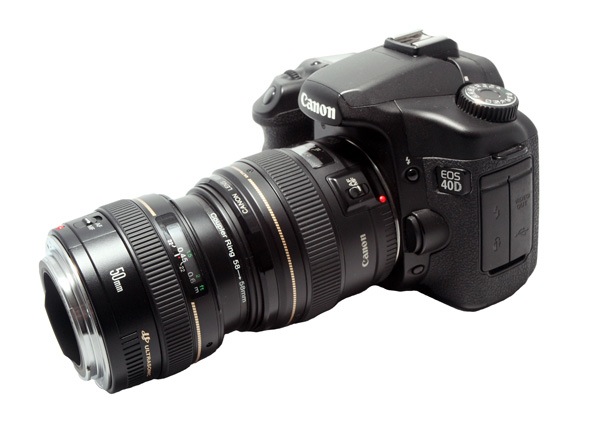
                                                          Teleconverter 
 Teleconverters are basically tubes       that contain predominantly diverging lens elements. These are attached to your existing lens and increase its magnification power, allowing you to zoom further with a telephoto lens or magnify your subject more with a macro optic, for example. The downside is they reduce the lens’s maximum aperture and can reduce image quality. 


USE LENS IF/WHEN… … your telephoto lens isn’t quite long enough to fill the frame with your subject

Read More »

Handheld gaming has endured a rocky history

0

The history of portable gaming
Handheld gaming has endured a rockyhistory. Here we take a look at thedevices that
stood out and those that fell by the wayside…


1989                                                           
The Atari Lynx was the world’s first colour portable gaming system, but its reign was soon
 eclipsed by the legendary
1991
1991 was all about the Sega Game Gear, which managed to become the trendy
 must-have item long before portable technology became fashionable.
                                
1998
The Game Boy Color took many years to reach the masses, but sold by the bucketload.
 Even the hard-to-see screen did not deter the gaming community.
2003
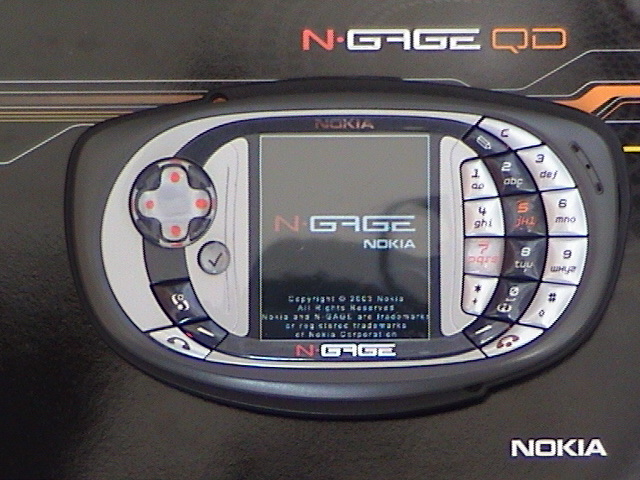
Nokia wanted a piece of the action and launched N-Gage which was an abject commercial 
and consumer failure. It never did recover enough ground to remain viable.
2004
The Nintendo DS demonstrated the company’s ambitions in the portable 
gaming market and was an instant smash.
2005
The Sony PSP proved that powerful console gaming was possible in a handheld device
and received praise from critics.
2007
The iPhone was never purely a games console, but quickly became a foe to Nintendo and
Sony, and has hurt sales from both companies.
2009
The PSP Go is Sony’s attempt to shore up the flagging PSP range. It’s had limited
success to date.


Read More »