PLANETBROWSER

NOTE

This website is for your information only. All the information that we provided here is the types of information that we received and collected from books, studies and some research from the Internet and we try to collect and share all the best top information . .

Looking for something?

Subscribe to this blog!

Receive the latest posts by email. Just enter your email below if you want to subscribe!

Ipinapakita ang mga post na may etiketa na invention. Ipakita ang lahat ng mga post

Most Amazing Vehicles Ever Made

2
Discover the biggest, the fastest, the largest and the most deadly vehicles made in the last 100 years
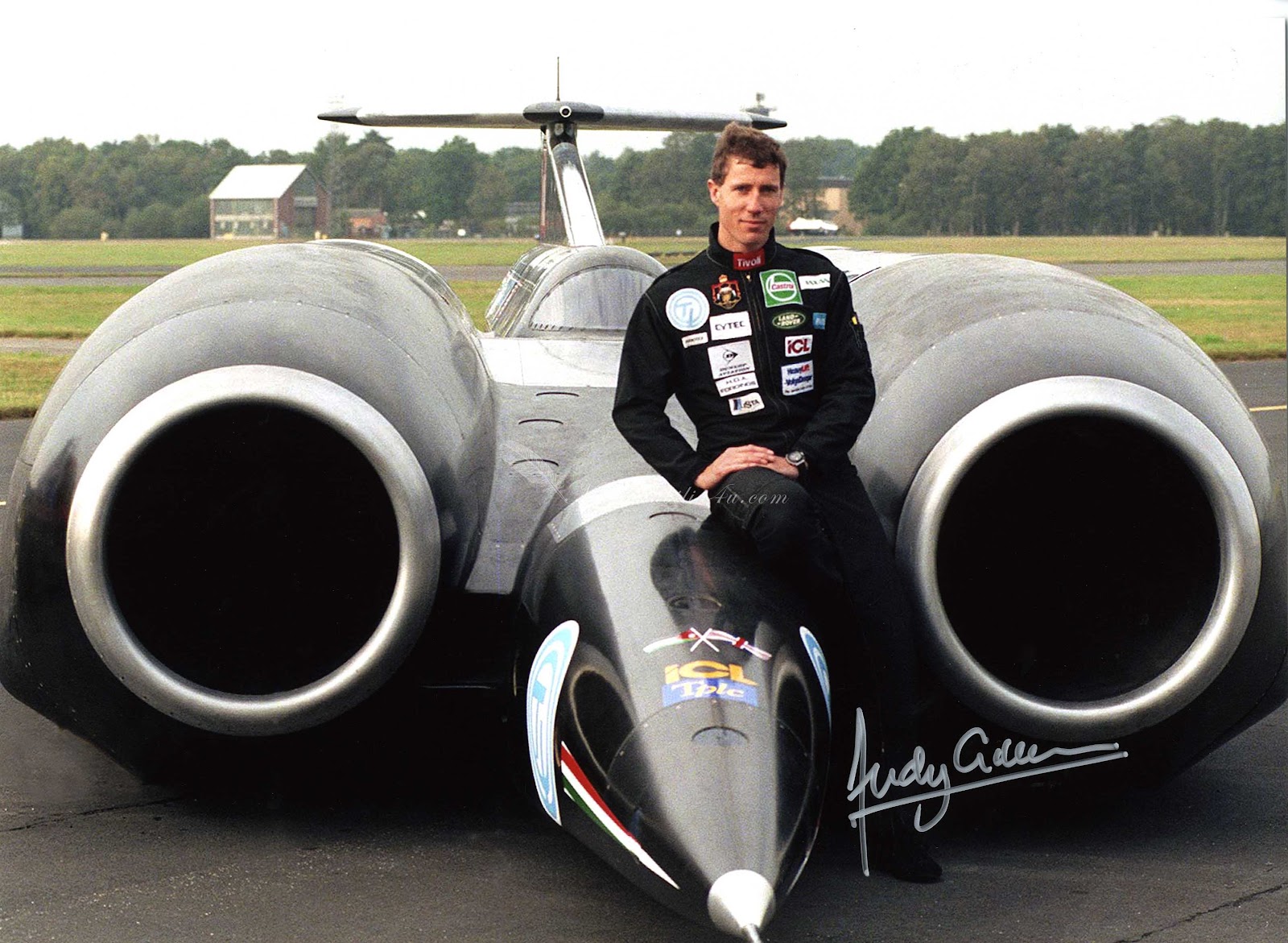

The World Fastest Car
Thrust SSC
1997 Great Britain
The thrust SC was like a rocket with wheels.It was powered by two jet engines and driven by an RAF fighter pilot.it reached 763mph while racing in the Nevada desert


The World's Deadliest Helicopter
Boeing Ah-64 Apache
1986 United States of America
The apache is armed with guns and rockets and 16 HellFire missiles for blowing up tanks, it can fight enemies on the land and the air, it is so advanced that it needs two pilots to fly
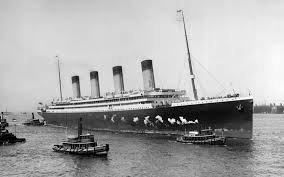

The Biggest ship in the world
The Titanic
1912 Great Britain
When the Titanic was built,it was the biggest in the world,it weighted as much as 250 blue whales and could hold over 2,000 people.It was sold to be unsinkable but it sank on its first voyage when it hit an iceberg.


The Biggest plane in the sky
Antonov An-225 Mriya
1988 Ukraine
This giant plane is powered by six engines and has the worlds longest wingspan,it can carry up to 250 tons of cargo,which is the same as 50 adult elephants.


The First reusable space vehicle
Space Shuttle Columbia
1981 United States of America
The Columbia carried astronauts back and forth into space.Shuttles orbited the Earth and were used to carry out experiments,repair satellites and help build the International space station.

The Jet flies faster than the speed of light
Concorde
1976 Great Britain/France
This sleek jet fly 100 passengers from London to New York in three hours, That is a half the time of other aeroplanes, It was travelled twice the speed of sound.


Top Nuclear Attack Submarine
HMS Astute
2007 Great Britain
HMS Astute is the largest attack submarine in the royal navy at almost 100 meters long, and its nuclear reactor engine means it doesn't have to be refuelled for 25 years.

Read More »

ROBOT EXOSKELETON:Helping the paralysed to walk again

0
The 2014 FIFA World Cup opening ceremony
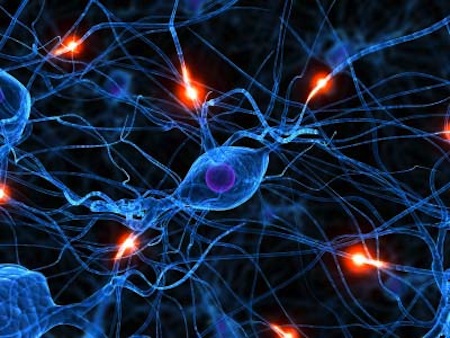
 was one of the most spectacular of all time, when a young paraplegic Brazilian strode across the pitch and took the opening kick of the competition. This miraculous act was possible thanks to a mind-controlled robotic exoskeleton, which has been made by the Walk Again Project, a collaboration of universities including Duke University in the US and the Technical University of Munich. sensors in the feet of the suit that trick the brain into thinking the signals came from the real foot. Knowing that millions of people around the world will be watching these first steps, the makers of the suit have been perfecting the device’s balance. They hope to advance the technology to a stage that wheelchairs will eventually be replaced with exoskeletons, helping the paralysed to walk again.The operator wears a cap that is linked to a computer in the backpack of the suit. The cap picks up brain signals that are created when the user thinks of walking and a computer then converts this information into electrical commands, which then move hydraulic legs. The whole setup is stabilised by gyroscopes and is powered by a battery that sits in the backpack. When the user kicks the football, they’ll be able to actually feel it, thanks to


Read More »

PHYSICS MEETS FASHION:MAGNETIC NAIL VARNISH

0
Discover how physics meets fashion in the latest beauty must-have
Magnetic nail polish is one of the hottest
trends in the beauty business right now and those who take pride in having perfectly manicured paws are all for this latest innovation. Combining physics and fashion, magnetic nail polish produces unique threedimensional patterns when it comes into contact with the supplied magnet on the lid. The polish itself contains fine iron filings, which respond to the magnet during the drying process. In fact, the filings themselves turn into miniature bar magnets when under the influence of a magnetic field, because they contain highly mobile electrons. It’s because of this that patterns will emerge, as each fine piece of metal has a south and north pole, so they align themselves with the magnetic field lines of the original magnet. The shape and force of the magnet on the lid will also vary results, so it’s possible to get some really unique nail-art effects


Understanding magnetic nails with bar magnets
Attracting Poles Iron filings are ferromagnetic, which means they become miniature bar magnets when under the influence of a magnetic field.
Magnetic Field Every magnet has a magnetic field surrounding it, which will affect some metals, in this case iron filings. The filings form a pattern as they line up in the direction of the magnetic field lines.
Repelling magnets Magnetic poles that are the same will repel one another and opposites attract, so some iron filings will be forced away from the magnet. This helps to create a distinct pattern.

Read More »

STEM CELLS:BUILDING BLOCKS BRING NEW LIFE

0

Understand how these building blocks bring new life

Stem cells are incredibly special because they have the potential to become any kind of cell in the body, from red blood cells to brain cells. They are essential to life andgrowth, as they repair tissues and replace dead cells. Skin, for example, is constantly replenished by skin stem cells. Stem cells begin their life cycle as generic, featureless cells that don’t contain tissue-specific structures, such as the ability to carry oxygen. Stem cells become specialised through a process called differentiation. This is triggered by signals inside and outside the cell. Internal signals come from strands of DNA that carry information for all cellular structures, while external signals include chemicals from nearby cells. Stem cells can replicate many times known as proliferation while others such as nerve cells don’t divide at all. There are two stem cell types, as Professor Paul Fair child, co-director of the Oxford Stem Cell Institute at Oxford Martin School explains: “Adult stem cells are multipotent, which means they are able to produce numerous cells that are loosely related, such as stem cells in the bone marrow can generate cells that make up the blood,” he says. “In contrast, pluripotent stem cells, found within developing embryos, are able to make any one of the estimated 210 cell types that make up the human body.” This fascinating ability to transform and divide has made stem cells a rich source for medical research. Once their true potential has been harnessed, they could be used to treat a huge range of diseases and disabilitie


Stem cells have been used to restore the sight of patients suffering from certain forms of blindness
How to grow a stem cell Fertilised human embryos that have been donated for research have plenty of stem cells inside them as the cells are yet to fully form. Scientists extract the cells and put them into a culture dish. This is fi lled with a culture medium, which is a mixture of nutrients that encourages the cells to divide and grow. As the cells divide they are placed into multiple dishes, each trying to complete an embryonic stem cell line. If a line is completed, it can then be used for further research and development

Cloning cells 
Scientists can reprogram cells to forget their current role and become pluripotent cells again indistinguishable from early embryonic stem cells. These are called induced pluripotent stem cells (IPSCs) and can be used in areas of the body where they are needed, taking on the characteristics of nearby cells. IPSCs are more reliable than stem cells grown from a donated embryo because the body is more likely to accept stem cells generated by itself. IPSCs can treat degenerative conditions such as Parkinson’s disease and baldness, which are caused by cells dying without being replaced. The IPSCs fi ll those gaps, restoring the body’s systems. Professor Fairchild says IPSCs could help find a cure for certain disorders: “By deriving these cells from individuals with rare conditions, we are able to model the condition in the laboratory and investigate the effects of new drugs on that disease.“ 


Read More »

THE SURVIVOR: Self-repairing plane technology with ‘human-like’ skin

0

Movies like The Terminator may have warned us not to create technology that can heal itself,but the folks at BAE Systems decided to press on regard less.The UK company has unveiled futuristic designs that could revolutionise the method and speed that planes are repaired by 2040. The aircraft’s body would be covered in ten soft thousands of micro sensors that detect wind speed,temperature and any damage sustained.The craft would be able to heal itself in mid air thanks to a grid of carbon nano tubes that hold a light weight adhesive fluid.This would be released to the damaged area and quickly harden–like blood forming as carbon a cut enabling the craft to continue its flight. This advanced use of materials would create an extremely hardy jet capable of entering the most dangerous of scenarios to complete vital missions,according to a BAE Systems spokesman.They are calling it The Survivor, and that’s not the only technology the company believes could be incorporated in military aircraft in the future.An other type of jet,known as The Transformer,would combine smaller sub-aircraft during travel and then split off.This would increase range and save fuel by reducing drag when they fly together. Despite edging use over closer to Sky net, this technology is hugely exciting for the aviation industry as smart planes would send maintenance costs and times plummeting,leaving us much more time to plan how to prevent them from rising up against us!
Read More »

10 Cool things you must know before 2015

1
World population on the rise 

The world population is predicted to reach 12.3 billion by 2100. Previous claims had stated that population growth would stabilize and the number of people on Earth would plateau by 2100,but new research has stated that increased fertility rates and life expectancy, particularly in Africa, is the reason for the rise.As a result, renewed population policies may have to be proposed.


Renewable energy gets a boost

A new type of battery has been made that could be invaluable to future renewable energy production. The lithium-antimony-lead liquid metal battery has the ability to store vast amounts of electricity. Utilising a negative electrode, the battery has a much lower operating temperature than previous designs and will maintain around 85 per cent of its original efficiency even after a decade of daily use.

Scientists create a shape-shifting metal 

Scientists have created a new type of liquid metal. Formed from an alloy of gallium and indium, the material has a bright future and is being predicted to self-repair electronic structures and circuits. A liquid at room temperature, the alloy is the shape of a ball, but goes flat when exposed to voltage

New truck will save lives 

Senior lecturers from Lough borough University have designed a new type of lorry that could save cyclist and pedestrian lives. The new-look cab will eliminate blind spots and increase the driver’s fi eld of vision. The model created by the team will have a cab that is 80 centimetres (31.5 inches) longer with a more rounded front. The emphasis will be on sight with a smaller dashboard but larger and more windows.

There’s a new treatment to regenerate bones 

Osteoporosis a condition that weakens bones–could be combated by an injection of calcium phosphate. This paste will contain stem cells encased in microspheres. Stem cells of ten struggle to survive when entering the body,but the casing will aim to safely transport the cells to the bones.

All-electric Formula E begins 

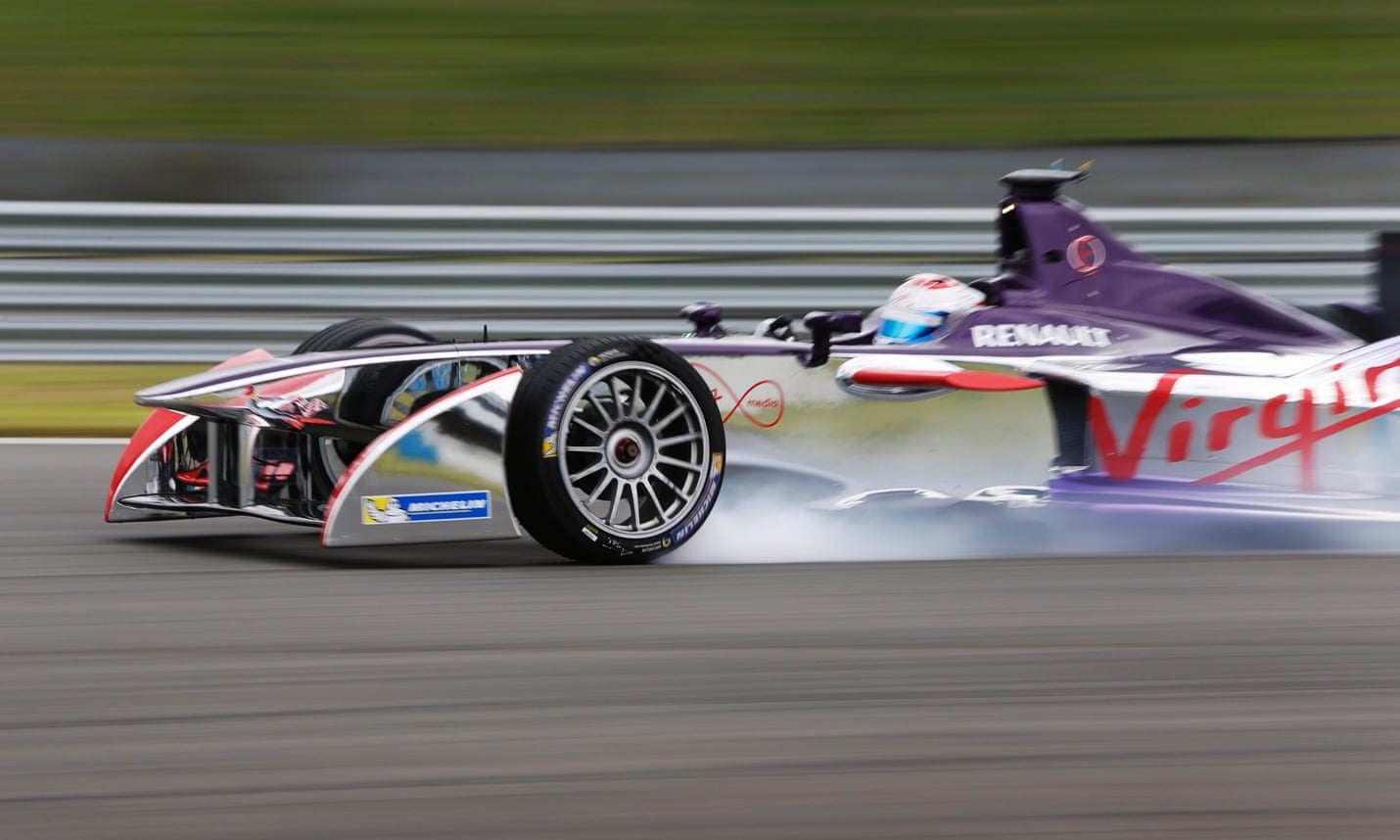
Electric racing cars took to the streets of Beijing as the first-ever Formula E Championship began.The first of its kind, the competition will look to provide the same thrill ride as Formula 1, but without the carbon emissions. It will run until June 2015.

Brains have their own (free) ‘calorie counters’

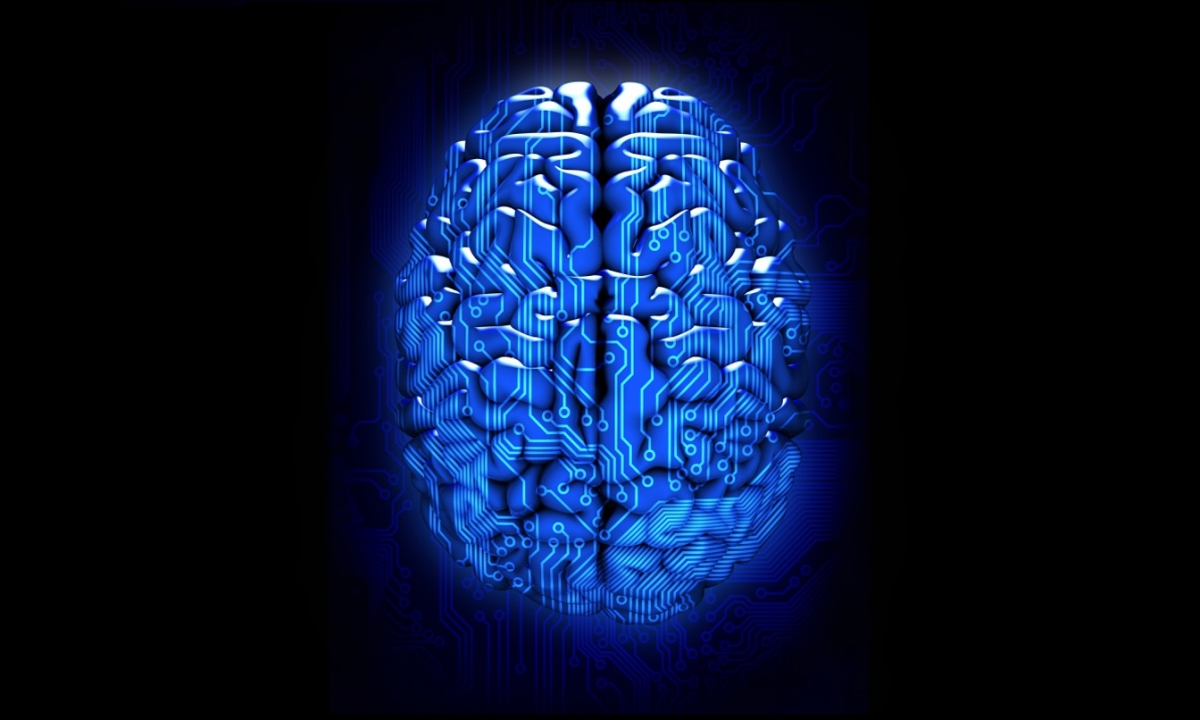
Our brains naturally works out the calorie content of different foods when we look at a menu. That’s according to neuro imaging research, which sought to determine how our awareness of calories infl uenced the brain. The study found that although calorie estimations were off the mark, people were willing to pay high prices for high-calorie food, showing their desire to consume it.

There are three types of Europeans

New research has suggested that the European  different peoples:blue-eyed hunters,brown-eyed farmers and an in flux of groups from Siberia.The findings were discovered by analysing genomes and shows that Europe was originally an area of blue-eyed hunter-gatherers before the arrival of brown-eyed farming communities from the east around 7,500 years ago.

We could build a lift to space 

A real stairway to heaven could be made in the future using the extraordinary properties of diamond nano threads. The new material was developed by researchers at Penn State University, USA and is composed of a string of carbon atoms. Created under extreme pressure, the nano thread is extremely tough and one of the main hopes for the breakthrough is to create a space-lift system.

There’s a new trip to Mars 

The latest NASA mission to Mars is named MAVEN and took ten months to reach Martian orbit. The satellite’s task will be to monitor the planet’s atmosphere in an attempt to find out why it is so devoid of air. MAVEN will look to find out what effects the Sun has had on the Red Planet’s climate throughout history and why Mars has lost all of its water.
Read More »

LATEST DISCOVERIES UPDATES

0

10 Ants to help in climate change battle
Though most renowned for their unerring ability to ruin picnics, it seems ants may prove to be vital allies in the fight against climate change. Rocks containing calcium and magnesium naturally absorb the greenhouse gas carbon dioxide as they break down, locking CO2 into calcium carbonate. Ronald Dorn of Arizona State University has found that ants increase the amount of calcium carbonate by 300 times, locking up more CO2. If the process can be further studied and enhanced, it may be 

09 Biological  pacemakers
Innovative gene therapy techniques could potentially replace the need for electronic pacemakers. Researchers in LA injected pigs suffering from heart block, a condition in which the electrical pulses controlling the heartbeat are disrupted, with a gene called TBX18. After 24 hours, regular heart cells began changing into specialised cells that keep the heart beating, they say.

08 Electricity from water
From cooking and cleaning to keeping us hydrated, water is essential. But now, scientists have found another potential use for the wet stuff: generating electricity in gadgets. Last year, MIT researchers found that water droplets gain electric charge when they ‘jump’ away from superhydrophobic surfaces – materials designed to repel water. By layering together many sheets of material, the team has produced

07 Cancer-halting gene found 
Eighty per cent of patients diagnosed with lung cancer die within five years. Now, researchers have found a gene that can halt the movement of cancer from the lungs to other body parts. The research could lead to more effective treatments. The team found that ‘turning on’ the gene DIXDC1 reduces the cancer’s tendency to spread.

06 Nanotubes used to make hydrogen 
With fossil fuels possibly running out by the end of the century, the search for new energy sources is gathering pace. Now, a team at Rutgers University has developed a low-cost method for producing clean-burning hydrogen fuel. The technology uses carbon nanotubes as a catalyst to create hydrogen and oxygen from water using electrolysis. The fuel could be used to power cars

05 Immunity to alcohol
Ever woken up regretting the previous night’s overindulgence? Read on. Neuroscientists at the University of Texas have created ‘mutant’ worms that don’t get intoxicated by alcohol, a discovery that may help those struggling with addiction and withdrawal. The team implanted a molecule into nematode worms that’s responsible for binding to alcohol and triggering drunken behaviour in humans. They found the worms did not get drunk regardless of how much alcohol they consumed.

04 Artificial blood from stem cells
The ability to create human blood in the laboratory has come one step closer to reality. Researchers at the University of Wisconsin-Madison have discovered two genetic pathways by which blood cells develop from pluripotent stem cells. The discovery pins down exactly how blood is produced in nature and gives the scientists the means to produce the whole range of human blood cells, including the essential white and  red cells.

03 Liquid  hard drive
Next time you see a glass of liquid next to someone’s laptop think twice before taking a swig. You may be downing important documents or even their holiday snaps. A team at the University of Michigan has created a hard drive that suspends nanoparticles in water in special arrangements to st oer data. The technology could potentially store a terabyte of data in just one tablespoon  of liquid. The hope is that the technology could eventually be used in medical devices placed inside the body.

02 Better glue from barnacles 
When it comes to staying put there are few creatures that can compete  with the barnacle. The arthropods can stick themselves to any surface, even underwater. Biologists at Newcastle University discovered that they achieve this by first secreting an oil to repel water from a surface. They then secrete a powerful protein-based adhesive that sticks them fast. Further study could lead to synthetic bio adhesives for use in medical implants.

01 Shape-shifting robots
Remember the morphing form of the robot in Terminator 2? Well, researchers at MIT have developed a ‘squishy’ material that could allow real-life robots to accomplish the same feat. Working with robotics experts Boston Dynamics, the team has created a substance built 
from wax and foam that can switch between hard and soft states, thanks to heat that partially melts the wax. The technology could be used to build everything from deformable surgical robots to octopus-like limbs for search and rescue drones.


Read More »

The 10 Busiest Airport

0
10 Hong Kong International Airport

 Chek Lap Kok,  Hong Kong 61,287,045 passengers in 2012

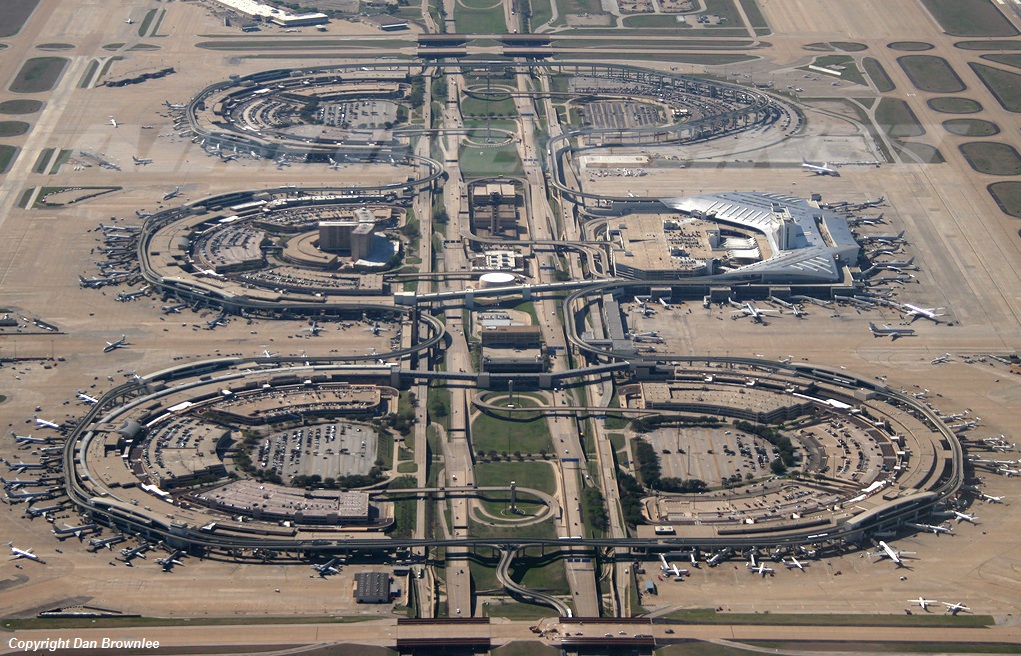
09 Dallas-Fort Worth International Airport, USA

61,408,414 passengers in 2012

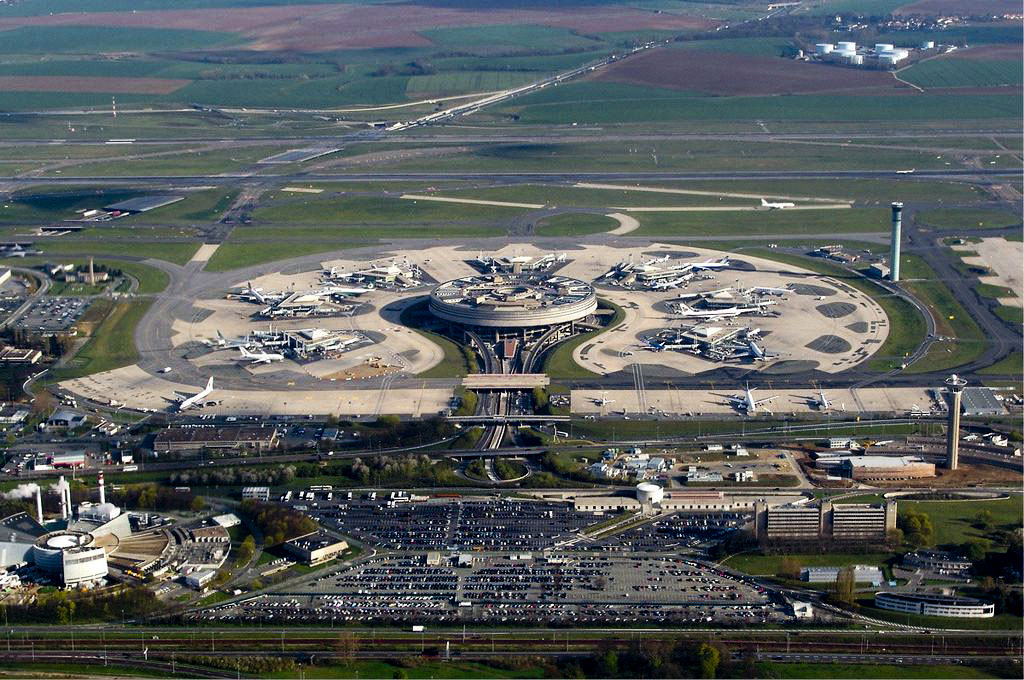
08 Paris Charles de Gaulle Airport, France

62,974,437 passengers in 2012

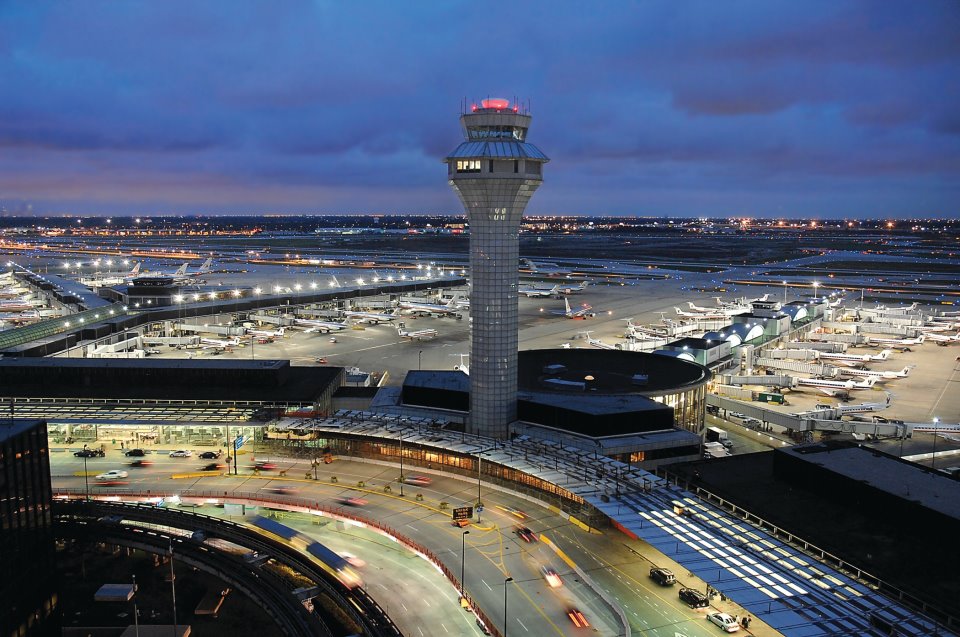
07 O’Hare International Airport, Chicago, USA

68,007,716 passengers in 2013

06 Los Angeles International Airport, USA

68,373,700 passengers in 2012

05 Dubai International Airport, UAe

68,915,702 passengers in 2014

04 Tokyo International Airport

70,366,151 passengers in 2014

03 London Heathrow Airport

72,968,534 passengers in 2014

02 Beijing Capital International Airport, China

84,178,434 passengers in 2014

01 Atlanta International Airport, USA

94,630,445 passengers in 2014
Read More »

Top 10 Fastest Planes

0


10 F-15 eagle

Top speed: 2,679km/h
Manned Mcdonnell Douglas,  Boeing, Space  & security,  USA, 1972

09 MiG Foxhound

Top speed: 2,999km/h
Manned Mikoyan, Soviet Union, 1975

08 XB-70 Valkyrie


Top speed: 3,308km/h
Manned north american aviation, usa, 1964

07 Bell X-2 starbuster 

Top speed: 3,369km/h
Manned bell aircraft, USA, 1955

06 MiG-25 Foxbat
Top speed: 3,492km/h
Manned Mikoyangurevich, soviet Union, 1964

05 SR-71 BlackBird 

Top speed: 3,540km/h
Manned Lockheed, USA, 1964

04 X-51 WaveRider

Top speed: 6,276km/h
unmanned Boeing, USA, 2010

03 X-15

Top speed: 7,274km/h
Manned US Air Force and NASA, USA, 1959

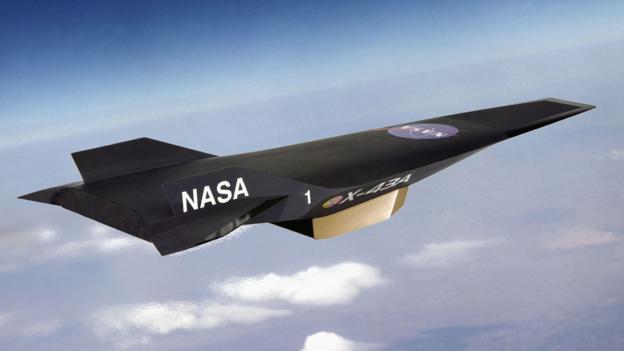
02 X-43A 

Top speed: 12,144km/h
Unmanned NASA, USA, 2004

01 Falcon HTV-2

Top speed: 20,920km/h
Unmanned Lockheed Martin,
Defense Advanced Research Projects Agency and US Air Force, USA, 2010

Developed to test the limits of long-duration hypersonic travel, the Falcon HTV-2 is a  rocket-launched, unmanned but fully manoeuvrable plane that’s capable of flying at Mach 20. Not that anything can be remotely described as ‘long-duration’ at these kinds of speed; a plane travelling at more than 20,000 miles an hour would cover the distance between New York City and Los Angeles in around 12 minutes.
Read More »

SCI-FI Prediction that came True

0
Television Predicted by: Mark Twain, From  the London Times of 1904, 

Published 1898 the first television was produced in the 1920s, but mark twain had already described the telectroscope that would “make the daily doings of the globe visible to everybody”.

Tablet device Predicted by: Arthur C Clarke, 2001
 
A Space Odyssey , published 1968 surfing the internet on a portable device was dreamed up long before the turn of the millennium. in the late 1960s, clarke gave his fictional astronauts ‘newspads’ so they could keep up to date with the goings-on back home.

Electronic book predicted by: Stanislaw Lem, Return From the stars, published 1961 
Instead of hardcovers and paperbacks, Polish author lem foresaw books in crystal form, read on devices called ‘optons’ that display one page of text at a time.

Atomic bomb Predicted by: HG Wells, The World set Free , published 1914 

Wells envisioned a nuclear bomb that would explode continuously for 17 days and have longer-term effects through nuclear fallout.

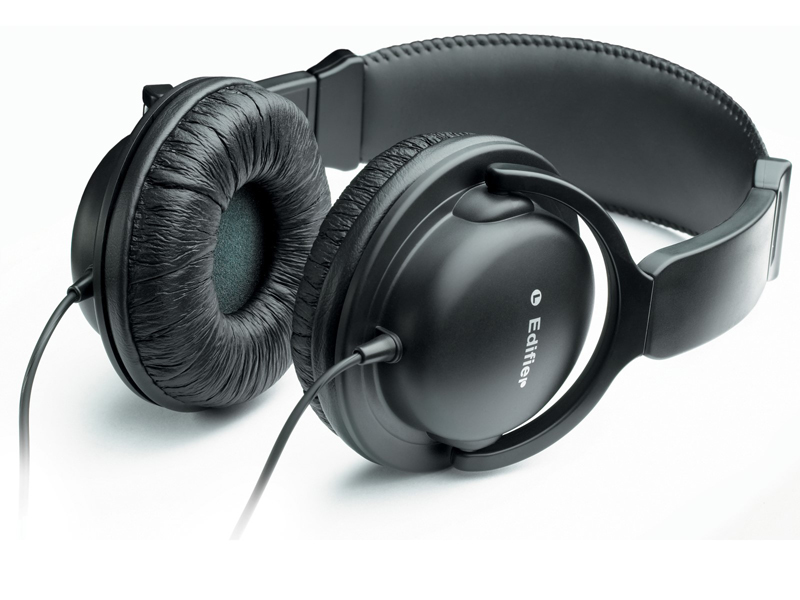
Earphones predicted by: Ray Bradbury, Fahrenheit 451 , published 1953 
Though the personal stereo didn’t appear until 1977, in the early ’50s Bradbury described earphones piping in constant music and talk.

Tank Predicted by: HG Wells, The land Ironclads , published 1903 
The tank made its battlefield debut in 1916, but was envisaged by Wells as an all-terrain, armoured vehicle carrying powerful guns. Winston churchill later credited Wells for the idea, but the author’s vehicle was inspired by Brahmah Joseph Diplock’s pedrail locomotive. 

Surveillance Predicted by: George Orwell, nineteen eighty-Four , published 1949
cctV cameras Internet cookies, loyalty cards, nsA data monitoring, social media… the Big Brother dreamed up by orwell in his dystopian novel comes in many guises today. 

Video calls predicted by: Albert Robida, le Vingtième Siècle. La Vie Électrique , published 1890 
The first public videophone service launched in Germany in 1936, and em forster described a communication system that transmitted both audio and visual signals in his short story the machine stops , published in 1909. yet this french author’s 1890 book mentions a similar device called ‘le téléphonoscope’. 

Moon landing predicted by: Jules Verne, From The Earth To The Moon, published 1865 
More than 100 years before Armstrong’s lunar stroll, Verne had envisioned a trip to the moon – though his protagonists were fired from an enormous cannon at a launch site in florida.

Scuba-Diving Equipment predicted by: Jules Verne, Twenty Thousand Leagues Under the Sea , published 1870 
Verne described a means of breathing underwater using apparatus that, unlike all existing equipment, didn’t take its air supply from the surface. His idea came from the system developed in the 1860s by french duo Benoit rouquayrol and Auguste Denayrouze to save miners trapped underground.

Read More »